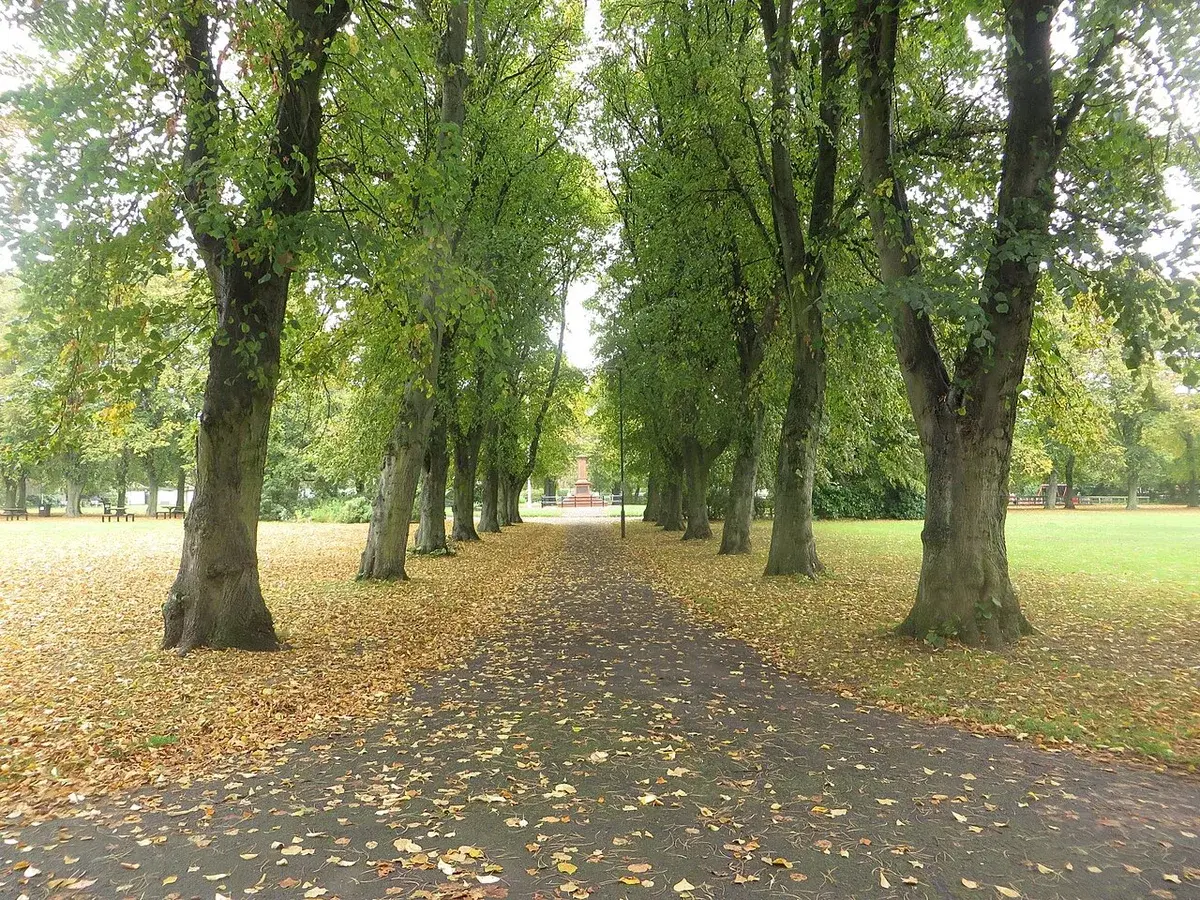
Gosforth Garden Village: The Railway Workers' Estate
Built in the 1920s for railwaymen, Gosforth Garden Village is one of the most distinctive and historically fascinating neighbourhoods in Newcastle.
Tucked between the High Street and the Metro depot, Gosforth Garden Village is one of Newcastle's most distinctive residential areas, and one with a story that most people who drive past it every day don't know. Built in the 1920s to house railway workers, it has a unique character, a remarkable history, and a community spirit that's survived for over a century.
The History
The story begins with a fire. In 1919, the Heaton Carriage Works, where the North Eastern Railway Company maintained its rolling stock, burned down. The NER needed a new, larger depot, and chose a site in South Gosforth adjacent to the railway line. But they also needed somewhere for the workers to live.
On 5 April 1921, the NER bought 64 acres for £18,500, the land that would become the Garden Village plus the depot site. The railway company was then merged into the London and North Eastern Railway (LNER) on 1 January 1923, as part of the national grouping of railways after the Great War.
Construction began in the early 1920s, and by 1928 the estate comprised 266 houses, laid out on "garden suburb" lines, a planned community with generous plots, green spaces, and a coherent design philosophy. The houses were intended for past and present railway employees and were developed by a charity linked to the LNER company.
The Garden Suburb Design
The "garden suburb" movement was a reaction against the cramped, polluted industrial housing of the Victorian era. Garden Village estates were designed with wide streets, front and back gardens, green spaces, and a sense of community, influenced by Ebenezer Howard's garden city ideals. Gosforth's village follows this pattern, with houses arranged around green spaces and a layout that feels distinctly different from the surrounding streets.
The architectural style is consistent throughout, modest but well-built semi-detached houses with pitched roofs and generous gardens. Walking through the estate today, the planned, uniform character is immediately apparent, it looks and feels like a designed community rather than an organic suburban sprawl.
The Metro Connection
The railway depot that prompted the village's creation still exists. It's now the Tyne & Wear Metro depot, where the Metro's fleet of trains are maintained, stabled, and cleaned. The depot sits in the triangle of land between South Gosforth, Regent Centre, and Longbenton Metro stations, directly adjacent to the Garden Village.
There's a pleasing symmetry in the fact that houses built for railway workers in the 1920s still sit next to a railway depot a century later, even though the steam trains have been replaced by electric Metro units. The sound of trains coming and going is part of the fabric of daily life in the village.
The Community
The LNER housing charity that built the village was wound up in 1959, but the community it created has endured. The Gosforth Garden Village Association, the residents' association, has been active since the estate's earliest days and remains a genuine hub of community activity.
The association runs events, maintains shared spaces, and provides a focal point for a neighbourhood that has kept its identity remarkably intact over 100 years. In an era when many housing estates struggle to foster any sense of community, Garden Village has the advantage of having been designed for it from the start.
Living in Garden Village Today
The houses are modest by Gosforth standards, typically two or three bedroom semis with gardens front and back. The 1920s construction means solid walls, decent room sizes, and character that newer builds can't replicate. The estate has a quiet, self-contained feel, you're in Gosforth, but slightly apart from it.
The location is practical: the High Street is a 5–10 minute walk, South Gosforth Metro station is close, and Regent Centre is nearby for the Park & Ride. The Garden Village is bounded by the Metro line to the east and the High Street area to the west, making it well-connected without being on a through-route.
Property here tends to be more affordable than the larger estates like Brunton Park, reflecting the smaller house sizes. For first-time buyers, young families, and anyone who values character and community over square footage, it's one of Gosforth's best-kept residential secrets.
Why It Matters
Gosforth Garden Village is a piece of living social history. In a city where much of the 20th-century working-class housing has been demolished or redeveloped, a planned railway workers' community that's survived intact for over 100 years, with its original layout, many of its original houses, and a functioning residents' association, is genuinely rare. It deserves to be better known.
For more on Gosforth's history, see our guides to interesting facts about Gosforth and the history of the High Street.
Never miss what’s on
Join the weekly Gosforth.org digest — the best events, news and local tips, straight to your inbox. Free, one email a week.
What's On
Haunted Shadows: The Gothic Tales of Edith Nesbit
Doors 7:00 PM · Gosforth Civic Theatre, Regent Farm Road, Gosforth, Newcastle upon Tyne, NE3 3HD
NHSN and 1829 Talks: Lessons from the Rainforest and Harvestmen of the North East
6:00 PM - 8:00 PM · Curtis Auditorium, Herschel Building, Newcastle University, Newcastle upon Tyne, NE1 7RU
Bark In The Park Raceday
See booking · Newcastle Racecourse, High Gosforth Park, Newcastle upon Tyne, NE3 5HP