The History of Gosforth
From a Saxon crossing point named after geese to one of Newcastle's most desirable suburbs — over 900 years of history, heritage, and the people who shaped this place.
900 Years at a Glance
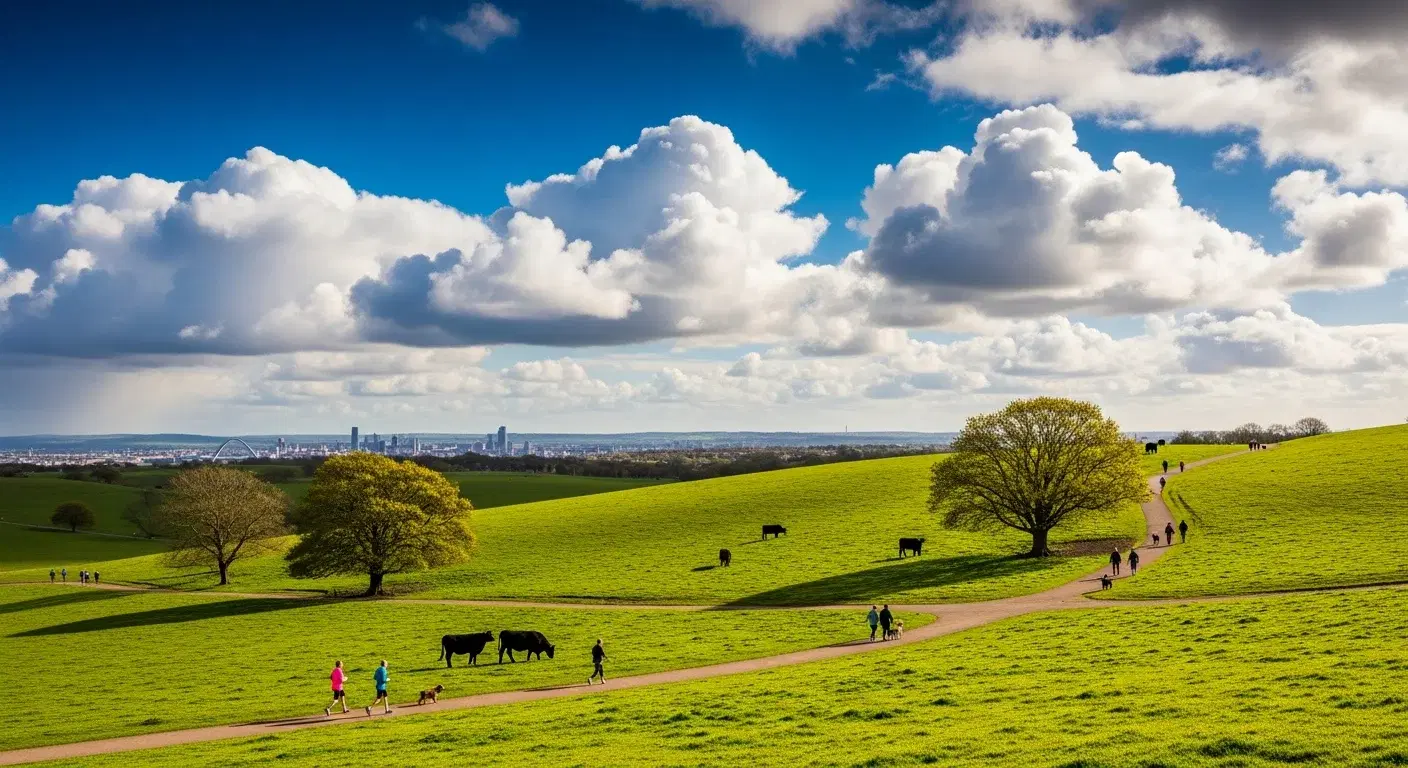
The key moments that shaped Gosforth from a rural settlement into a thriving modern suburb.
Anglo-Saxon Origins
The name 'Gosforth' likely derives from 'goose ford' — a crossing point where geese gathered. The area was a small agricultural settlement on the old Great North Road.
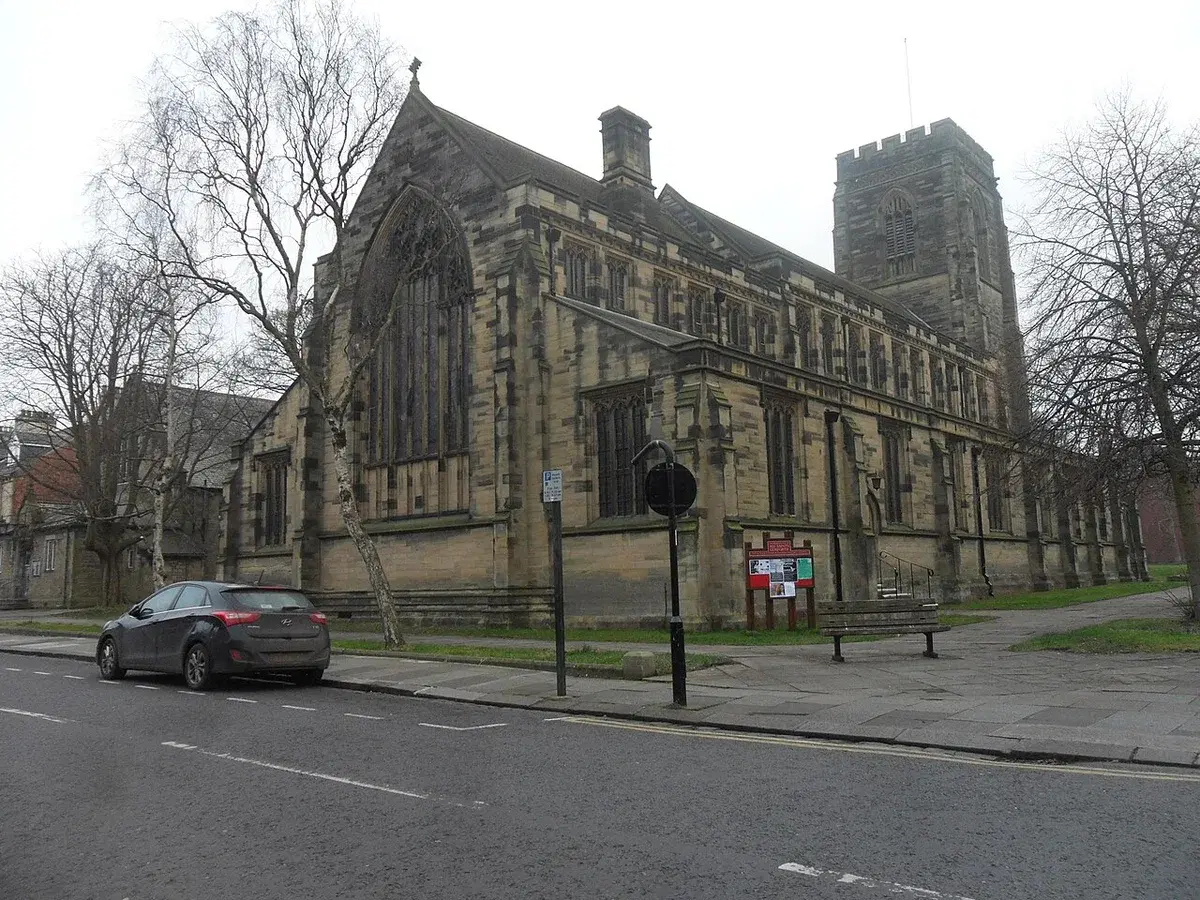
All Saints Church
All Saints Church was founded in the 12th century and remains a Grade I listed building at the heart of the village. Its churchyard contains some of Gosforth's oldest surviving structures.
Read the full story →The Brandling Family
The Brandling family, prominent local landowners, shaped much of Gosforth's development. Gosforth Park was their estate, and their legacy lives on in local street and pub names.
Read the full story →Gosforth Racecourse
Newcastle Racecourse opened at Gosforth Park, becoming one of the premier flat racing venues in the North of England. It continues to host the Northumberland Plate each June.
Victorian Expansion
The arrival of the railway transformed Gosforth from a rural village into a prosperous suburb. Grand Victorian and Edwardian villas were built along the tree-lined avenues that define the area today.
Read the full story →Garden Village
266 houses were built for railway workers in the 1920s, creating one of the North East's finest examples of a garden suburb — still a thriving community over a century later.
Read the full story →World War II
Gosforth played its part in the war effort. The Town Moor hosted anti-aircraft batteries, Melton Park had a military command post, and families sheltered from bombing raids.
Read the full story →Tyne and Wear Metro
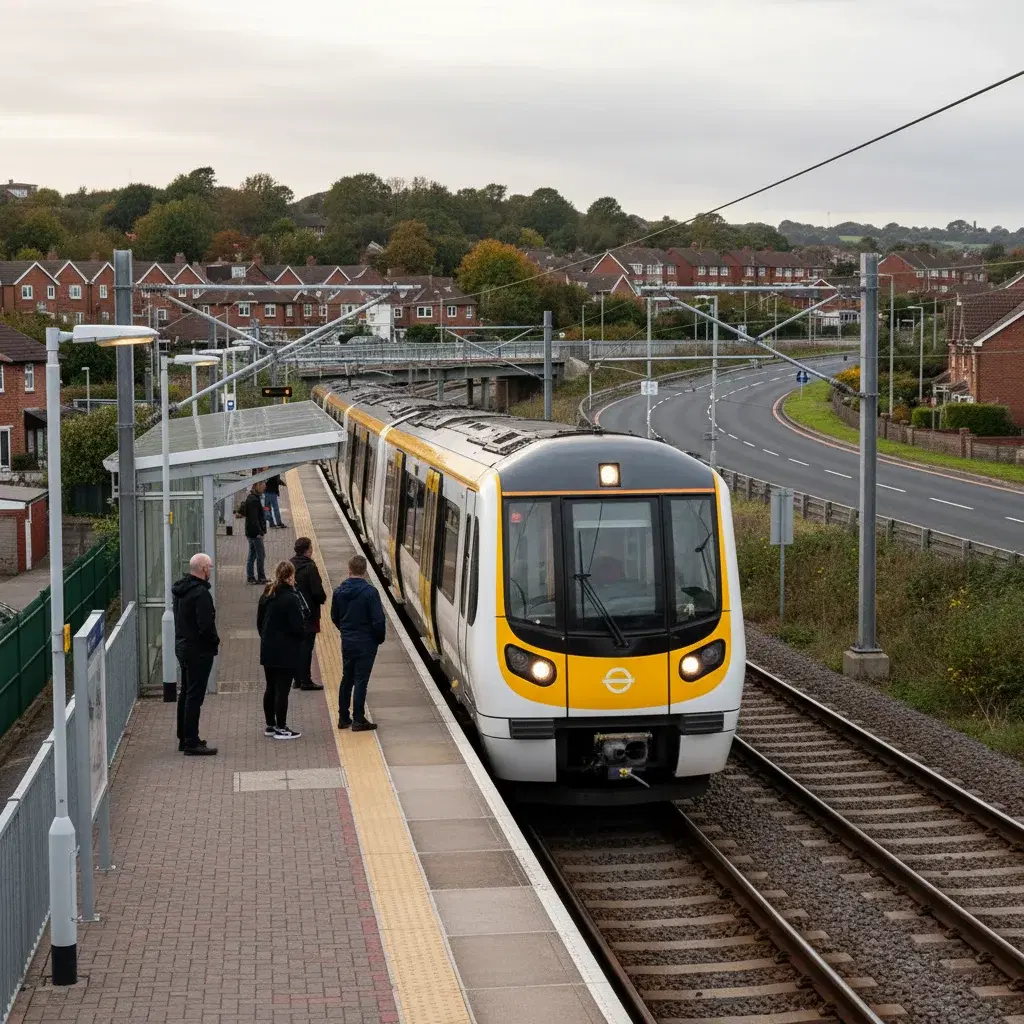
South Gosforth and Regent Centre Metro stations opened, connecting Gosforth to the city centre in under 10 minutes and cementing its appeal as a commuter suburb.
Thriving Suburb
With a population of around 28,000, Gosforth is one of Newcastle's most sought-after areas — known for its excellent schools, independent High Street, green spaces, and strong community spirit.
Heritage Articles
In-depth stories about the people, buildings, and events that shaped Gosforth.
Gosforth on Screen: Newcastle Film and TV Locations
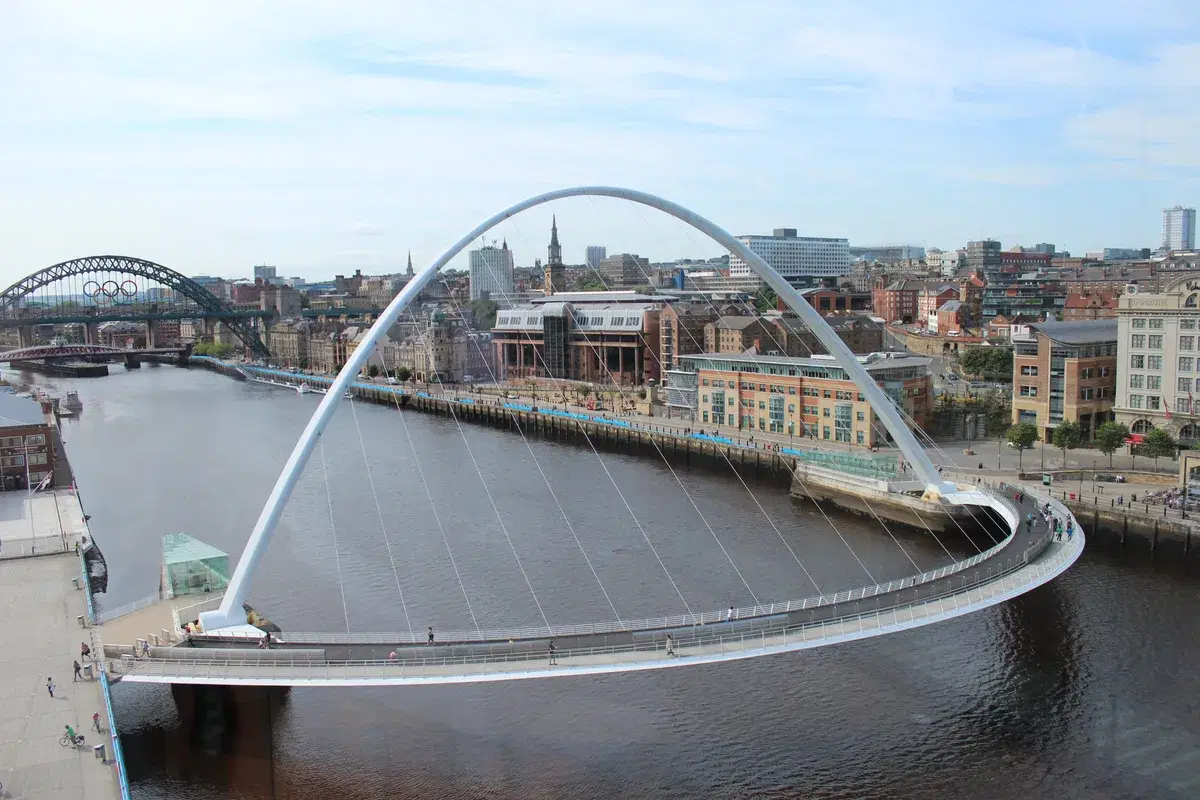
From Get Carter to Stormy Monday, Goal! and Vera, Newcastle has a rich screen heritage. A guide to the film and TV locations within easy reach of Gosforth.
Historic Trades and Crafts of Gosforth
Coal mining, blacksmithing, horse-drawn trams, and the Brandling family's industrial fortune -- the traditional trades and industries that shaped Gosforth from a rural township into a Victorian suburb.
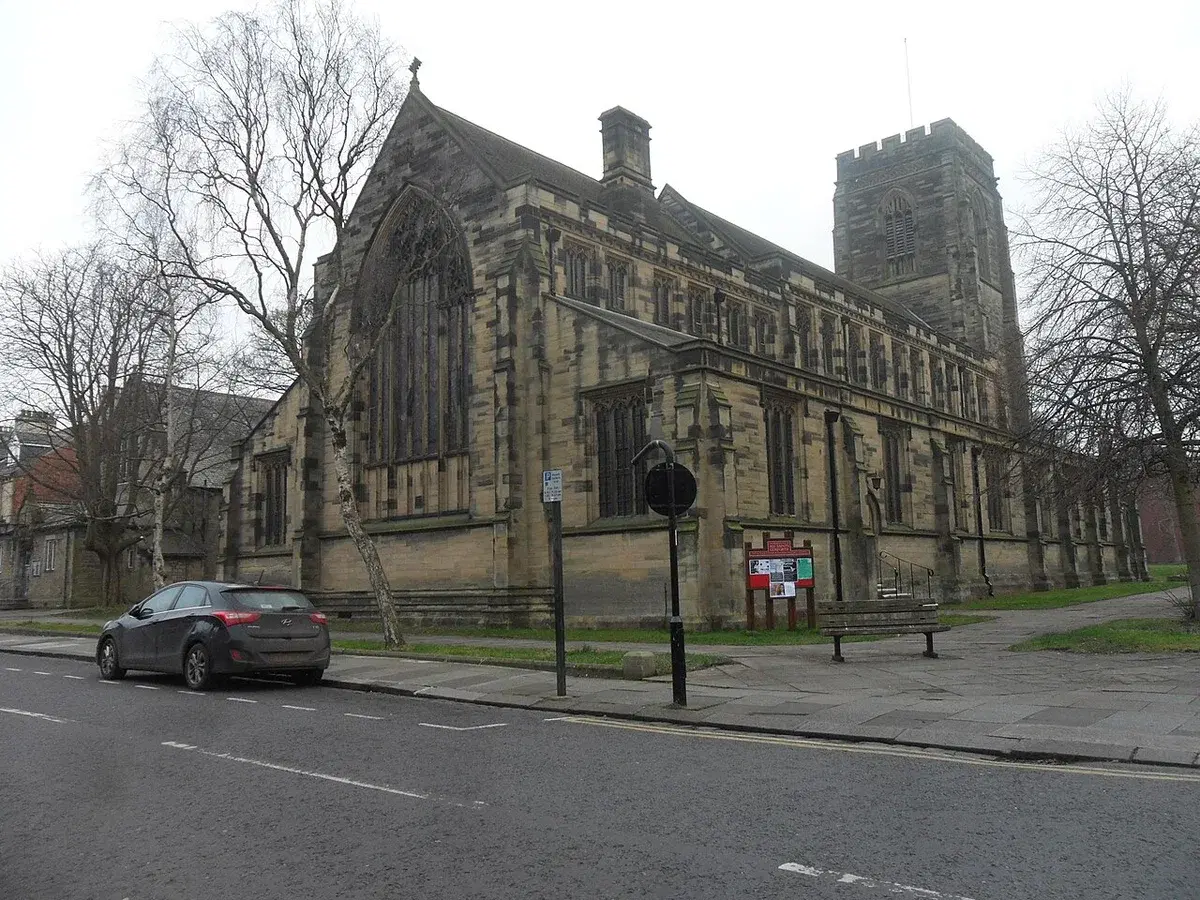
Heritage Walking Trail: A Self-Guided Walk Through Gosforth's History
A 5.5 km self-guided walking route linking nine historic landmarks, from a 12th-century church to a 1920s railway workers' estate. Allow two to three hours.
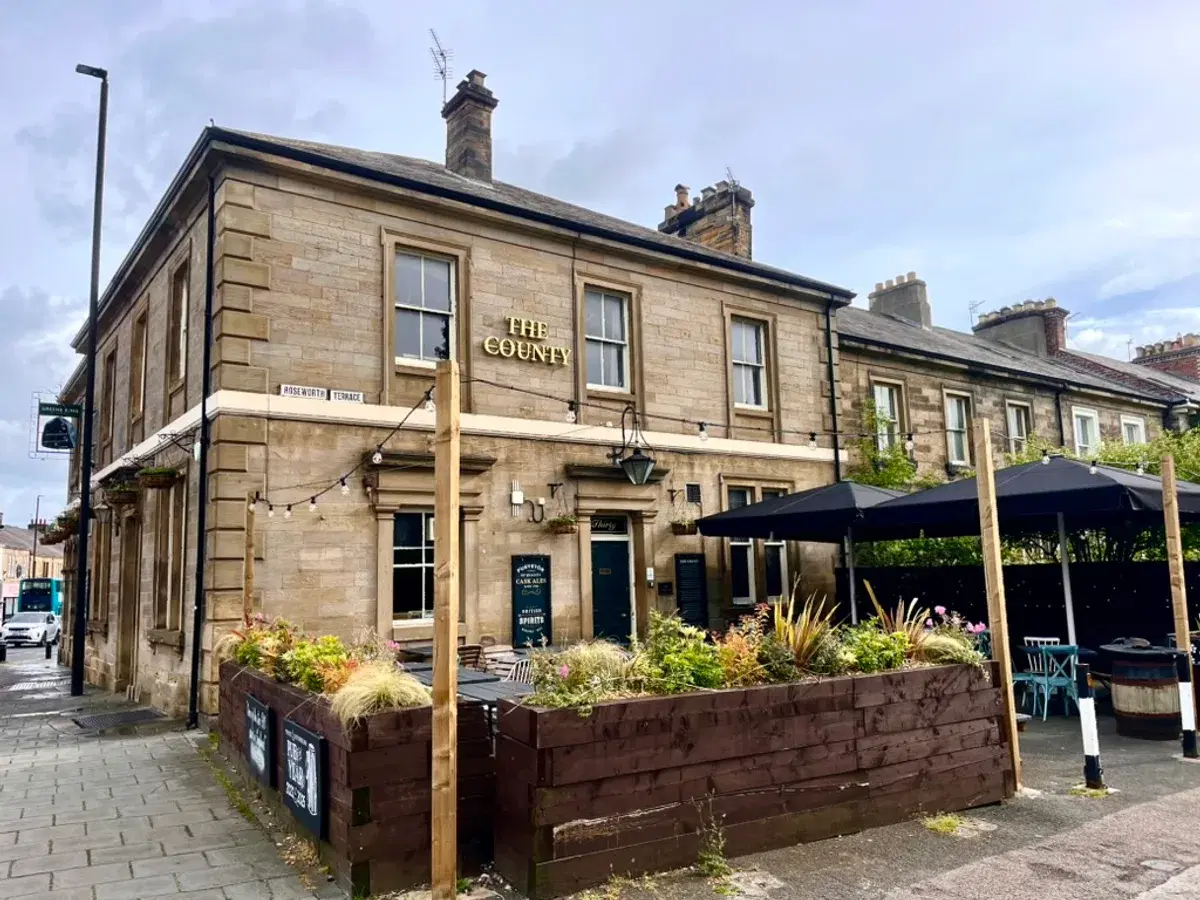
The Oldest Pubs in Gosforth
From a High Street inn recorded in 1825 to Victorian locals that once served the mining community, these are the oldest pubs still pulling pints in Gosforth.
Gosforth's Railway Heritage
From the Blyth & Tyne Railway in 1864 to a brand-new £70 million Metro depot in 2024, Gosforth has been at the heart of North East rail for over 160 years.
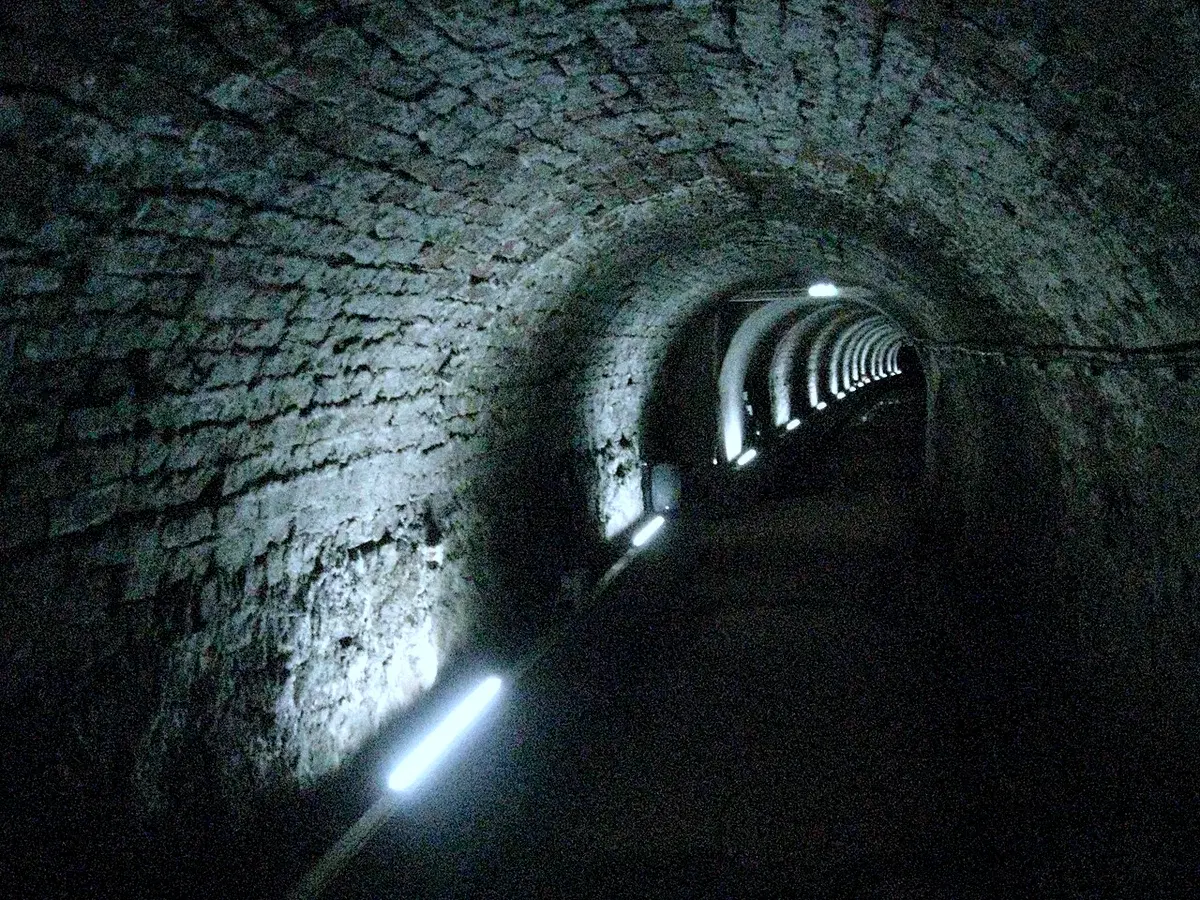
The Victoria Tunnel and the Town Moor
A 2.25-mile underground coal waggonway built in 1842, forced underground because the Freemen refused to allow tracks across the Town Moor. Later a WWII air raid shelter for 9,000 people.
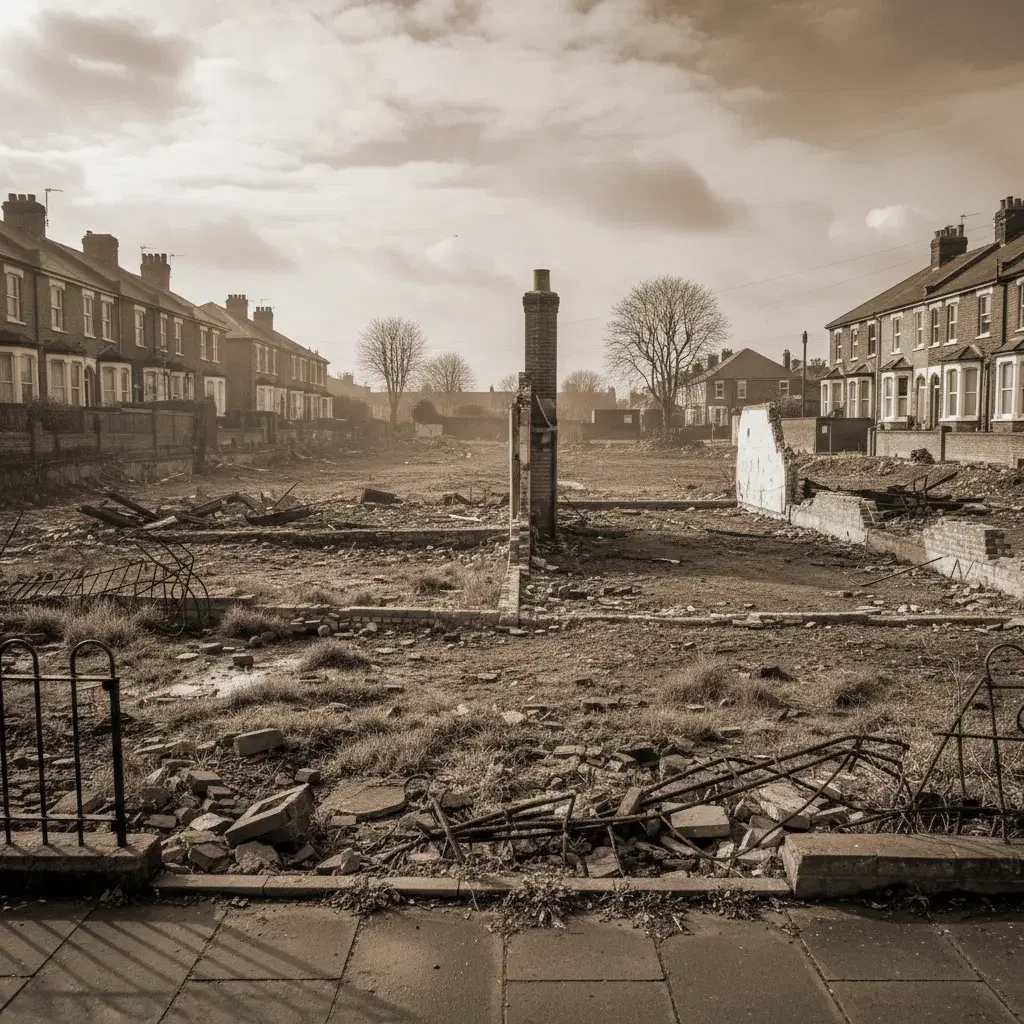
Lost Buildings of Gosforth
The Royalty Cinema, Coxlodge Hall, the greyhound stadium, and the tram sheds, the buildings that disappeared from Gosforth's streets.
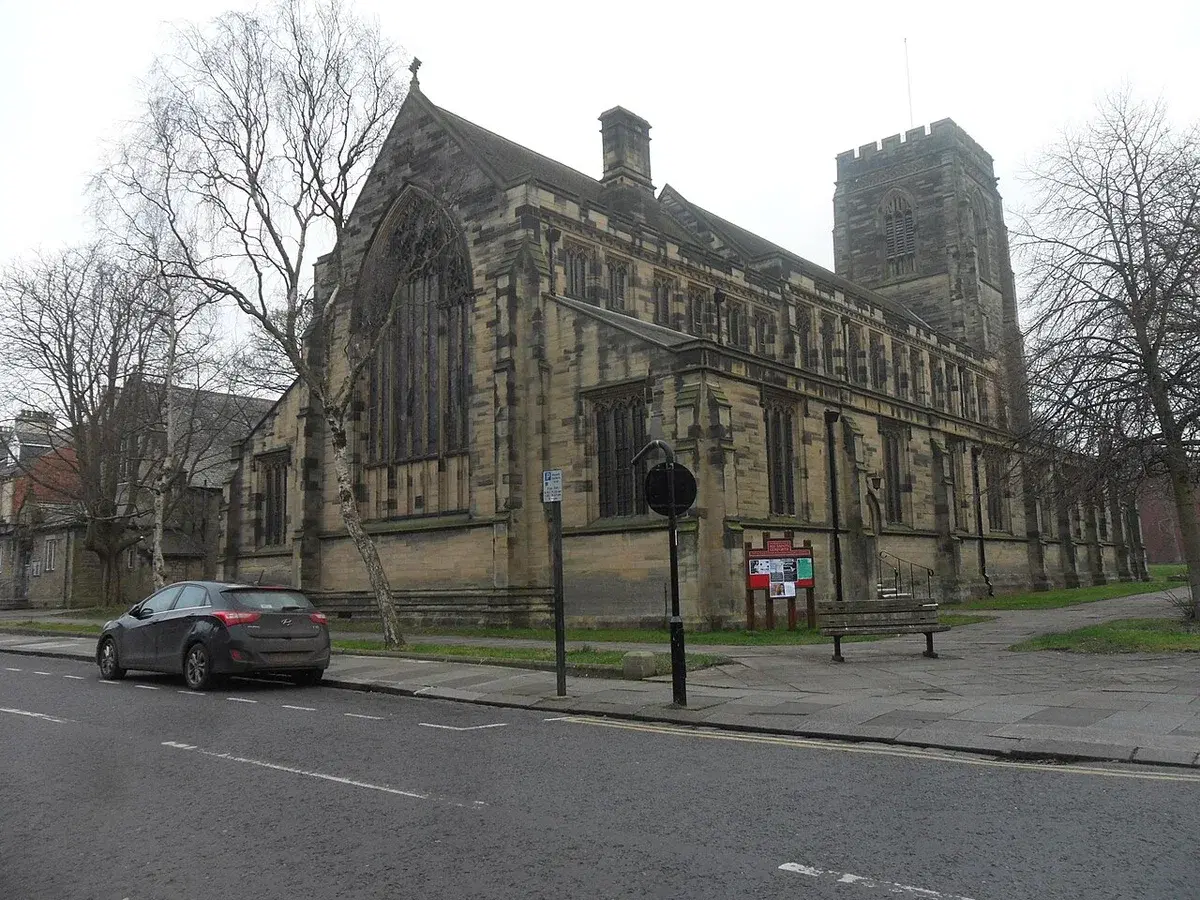
The Brandling Family: Gosforth's Forgotten Landlords
They owned 2,000 acres, built a grand mansion, sank coal mines, and shaped the landscape for 350 years. The Brandlings are Gosforth's most important family, and most people have never heard of them.
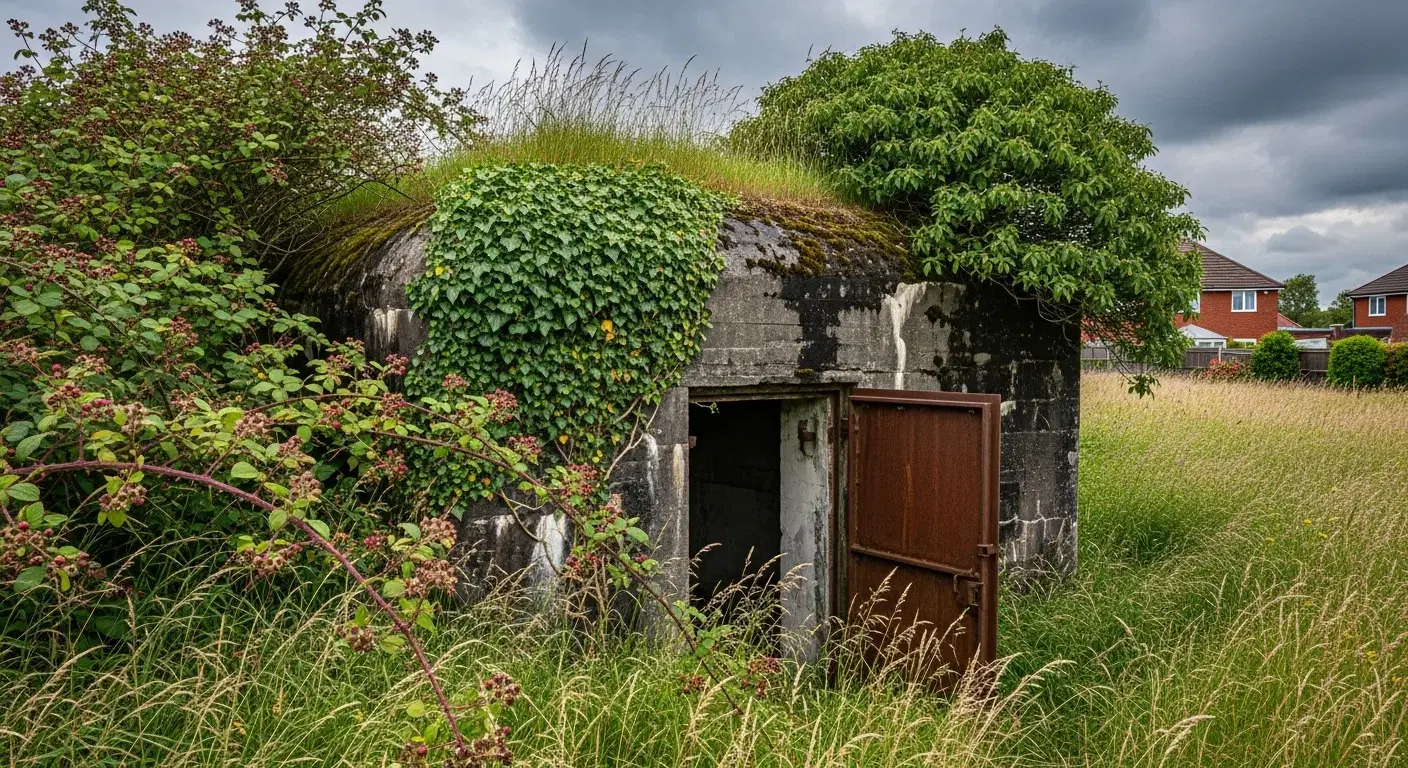
Gosforth in World War II
Bombs on Matthew Bank, an anti-aircraft bunker at Melton Park, evacuated children, and a community at war. Gosforth's largely forgotten wartime story.
The Story of All Saints Church, Gosforth
Founded in the 1170s and Grade I listed, All Saints Church has been at the heart of Gosforth for over 850 years. Here's its remarkable story.
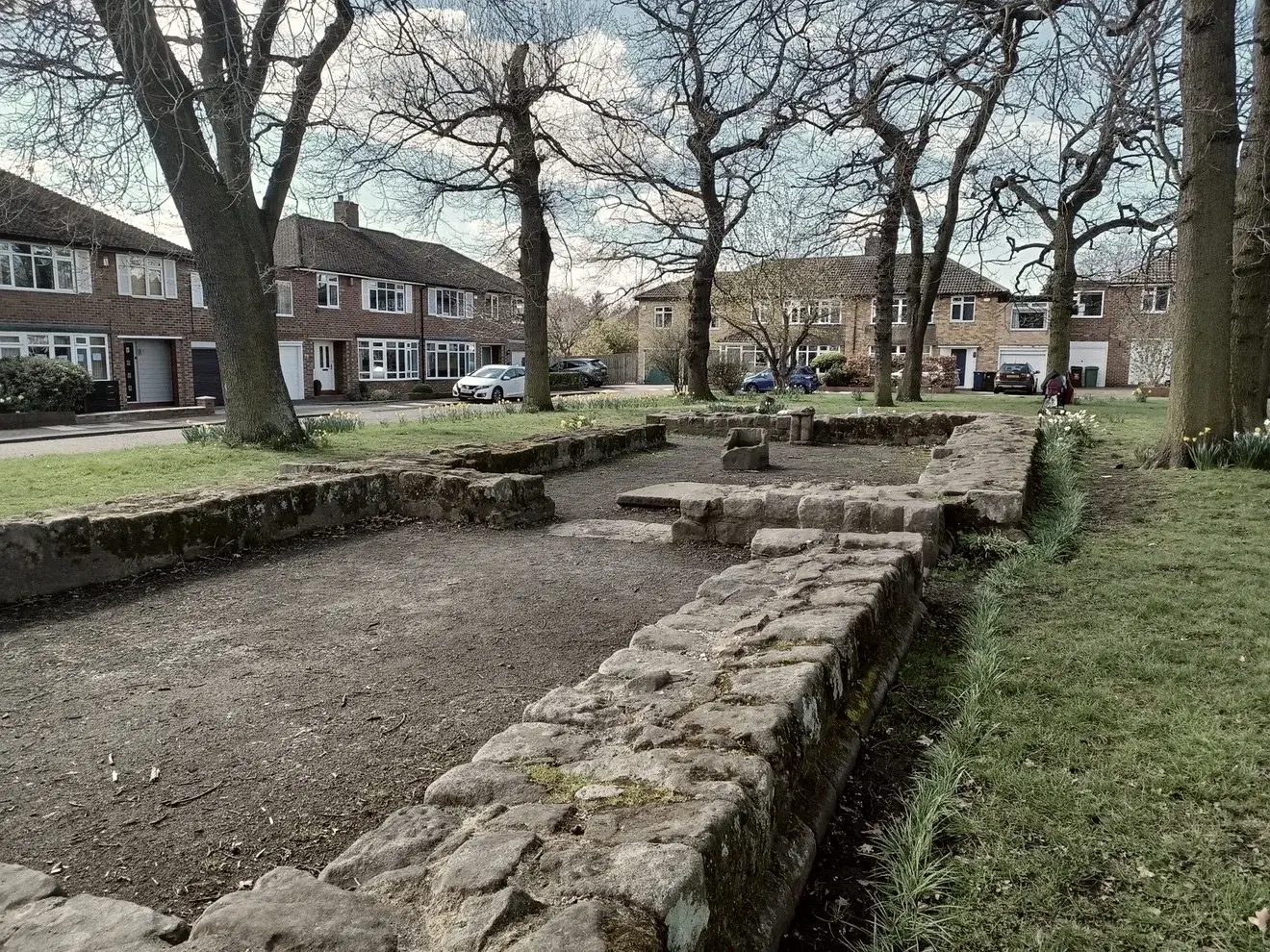
The Fascinating History of Melton Park, Gosforth
A Norman chapel, a Victorian mansion, a Cold War bunker, and a post-war housing estate, all on the same few hundred acres. The layered history of Melton Park.
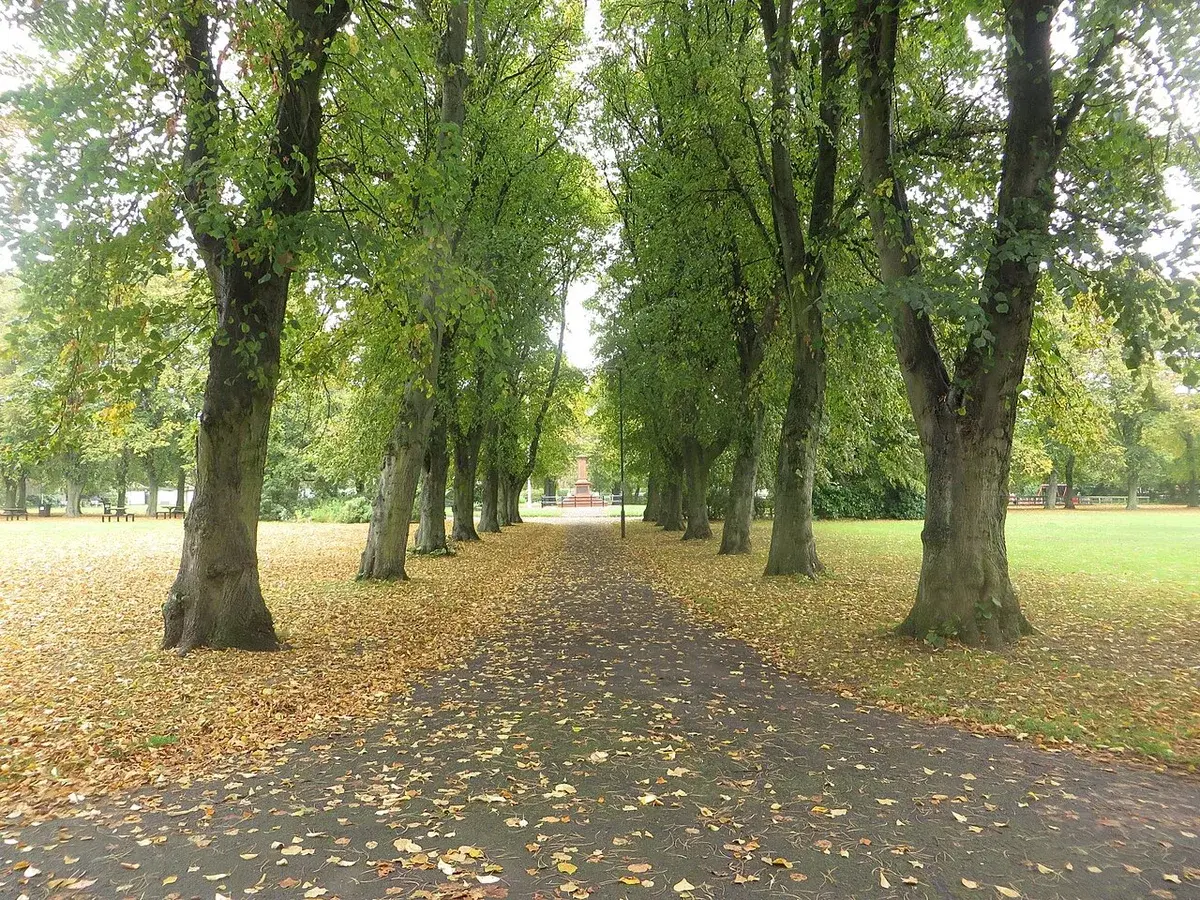
Gosforth Garden Village: The Railway Workers' Estate
Built in the 1920s for railwaymen, Gosforth Garden Village is one of the most distinctive and historically fascinating neighbourhoods in Newcastle.
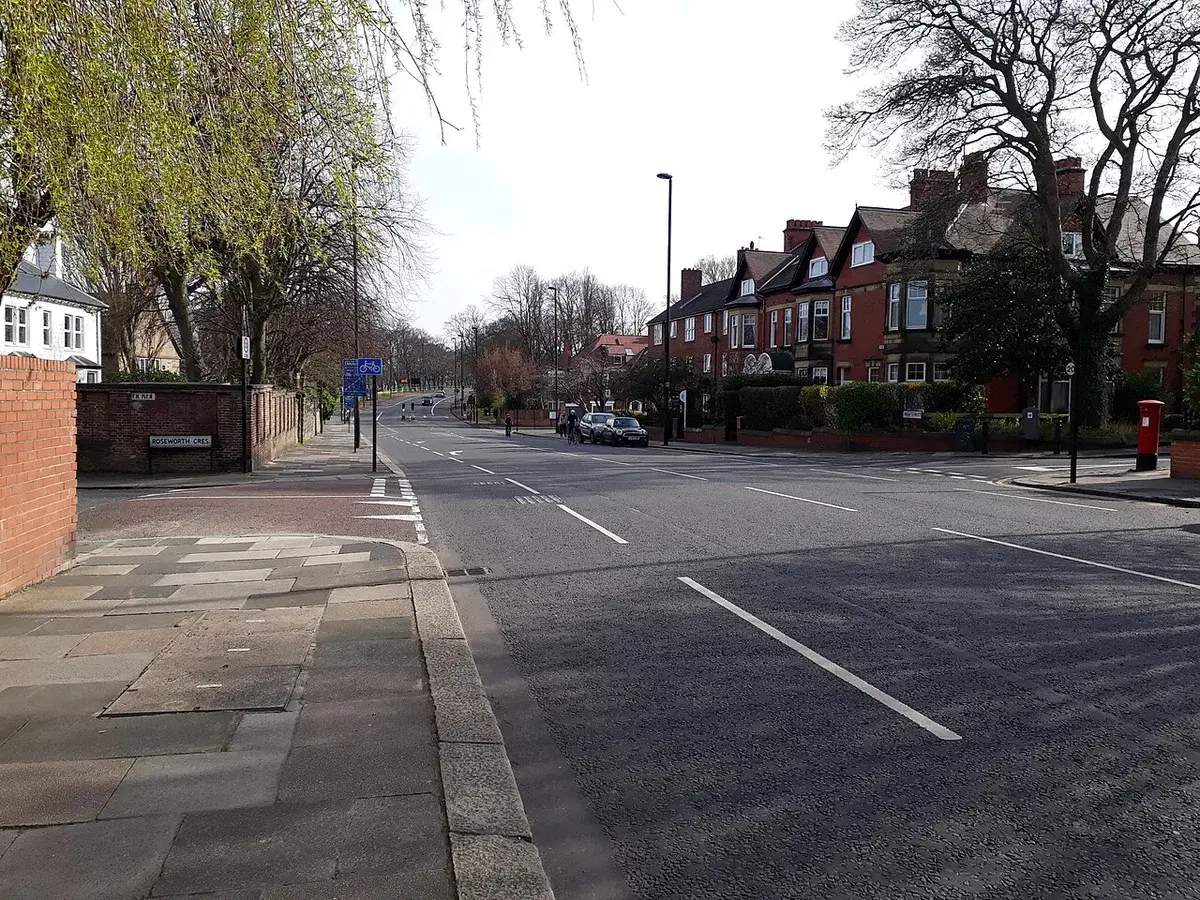
Gosforth High Street: A History
From a vote-buying scheme in 1826 to the birthplace of Greggs and a 21st-century independent revival, the story of Gosforth High Street is more remarkable than you'd think.
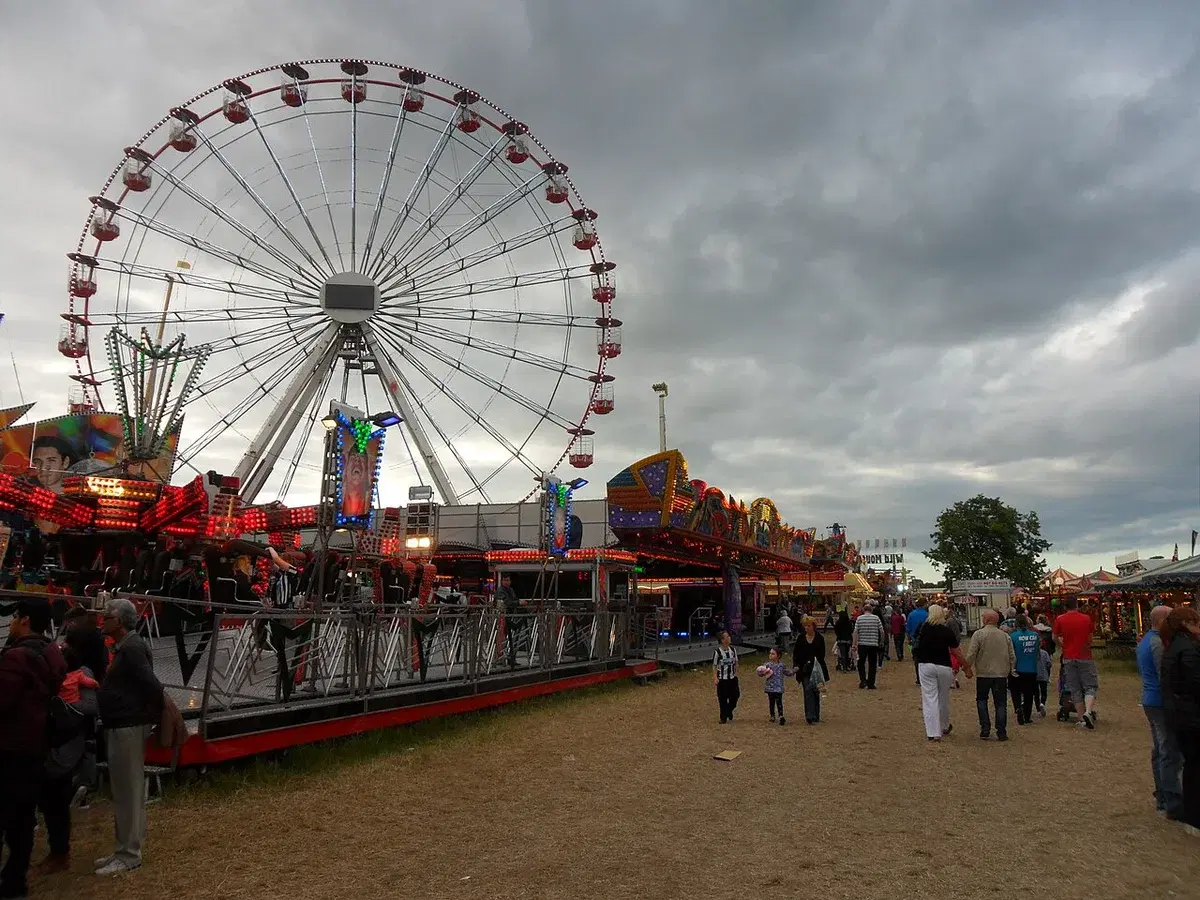
15 Interesting Facts About Gosforth
From the meaning of its name to a 2,000-acre estate, a railway workers' village, and Europe's largest fair, here are 15 things you might not know about Gosforth.
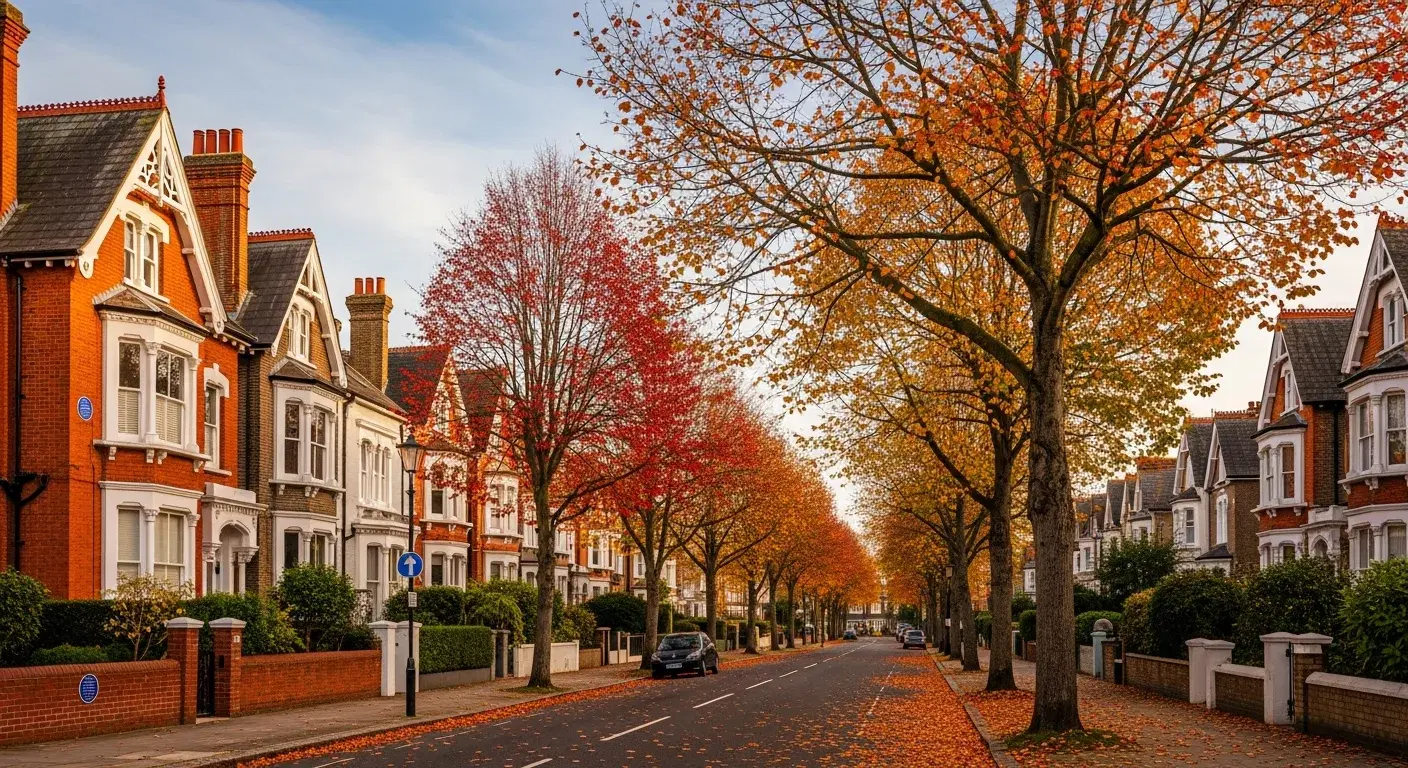
Famous People from Gosforth
From Premier League legends and synth-pop icons to Dire Straits and Byker Grove, Gosforth has produced some surprisingly big names.